
Our vision is a world where all people are able to use financial services and participate in the economy to improve their lives and prosper.
Today, almost 2 billion people remain financially underserved. At CFI, we are focused on how financial services can reduce vulnerability and how to overcome systems-level obstacles that prevent people from fully participating in the financial sector.
CFI is an independent think tank housed at Accion. Since our founding in 2008, we have placed the consumer at the center of all that we do. We conduct rigorous research, pilot innovative solutions, and convene the inclusive finance sector to spark evidence-based change.
By partnering with a range of stakeholders, we work to ensure that inclusive financial services fulfill their intended purpose of helping people fully participate in the financial sector and improve their lives.
What We Do
LEARN
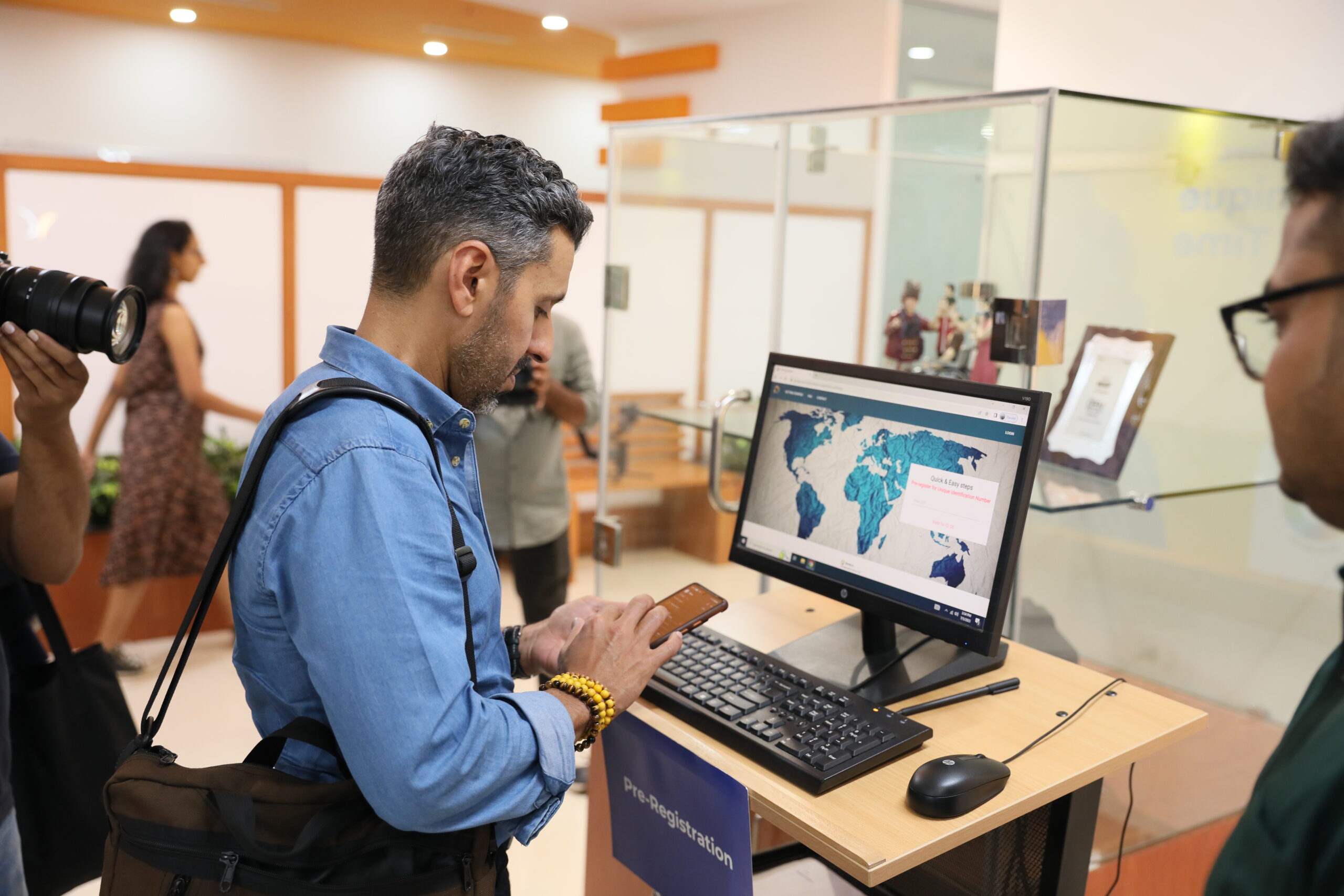
Using thorough research and a systems-level approach, we identify the most pressing issues impacting the financial inclusion of vulnerable people around the world. We build the evidence base and develop a deep understanding of how financial services can reduce vulnerability with the goal of improving consumers’ resilience and livelihoods.

PILOT
Through collaboration with partners, we ensure new ideas are impactful before scaling. We pilot concepts that arise from research and analysis and identify best practices and effective solutions.

SHARE
We disseminate our research findings and convene the sector to promote evidence-based decision-making. We present our insights through our knowledge products and host global convenings that bring together a wide range of stakeholders with the goal of mainstreaming new ideas and igniting collaboration.
Watch CFI’s strategy Video
We work to help people get the financial services they need.

CFI’s History
Paving the way towards impactful change
Our expertise in supply- and demand-side research, long history of thought leadership in inclusive finance, and experience convening global leaders position us to pursue an ambitious agenda and tackle complex questions.
2008
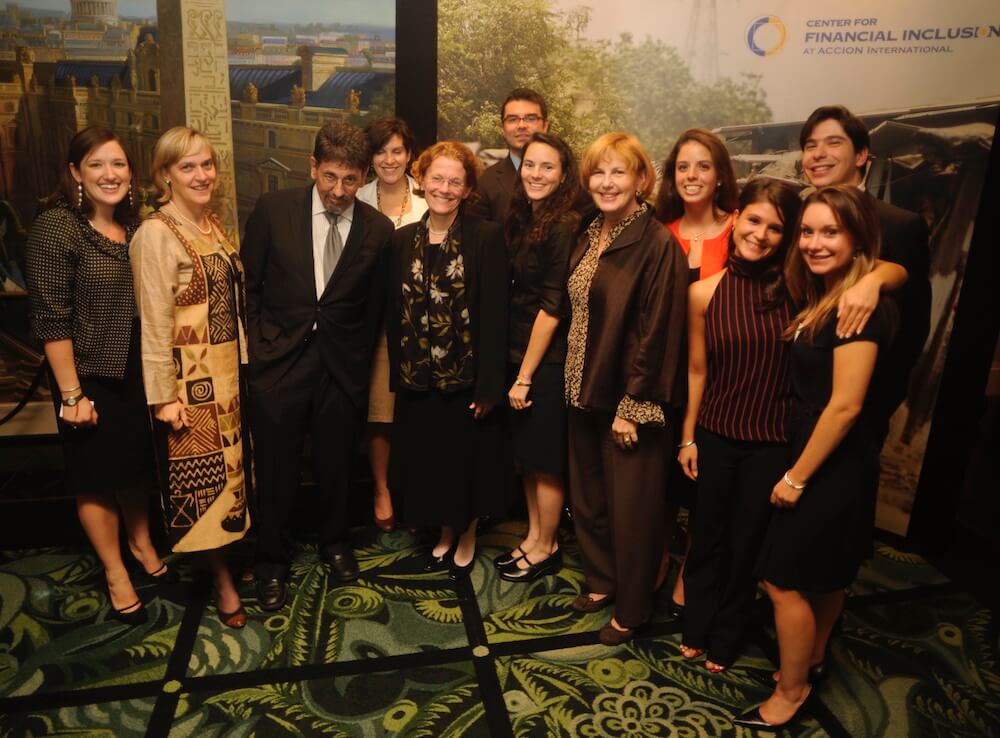
Center for Financial Inclusion Founded
Accion established CFI in 2008 as an independent think tank working to advance a more inclusive and responsible financial system.
2009
Smart Campaign Launched
CFI created the Smart Campaign, a global initiative focused on ensuring the safe and responsible delivery of financial products to low-income clients. The Campaign developed the first global financial consumer protection standards, established a rigorous certification program to validate practices by financial service providers, produced consumer protection research, and convened partners to effect change.

2011
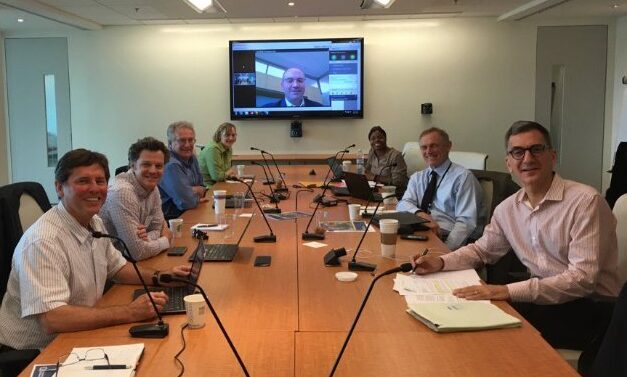
Microfinance CEO Working Group Established
The Microfinance CEO Working Group brought together leaders from around the world with the goal of supporting the development of the microfinance industry at large. Advocating for client-centered responsible business practices, the group was active until 2020 when resources were shifted toward responding to COVID-19.
2013
“Financial Inclusion 2020″ Campaign Launched
CFI, Citi, and Visa Inc. launched the Financial Inclusion 2020 campaign (FI2020) with the goal of accelerating financial inclusion by uniting the private sector, governments, and NGOs. The campaign featured research, consistent benchmarking of progress, and partnerships in pursuit of financial inclusion goals.

2014
Rebrand of the Financial Inclusion Equity Council (FIEC)
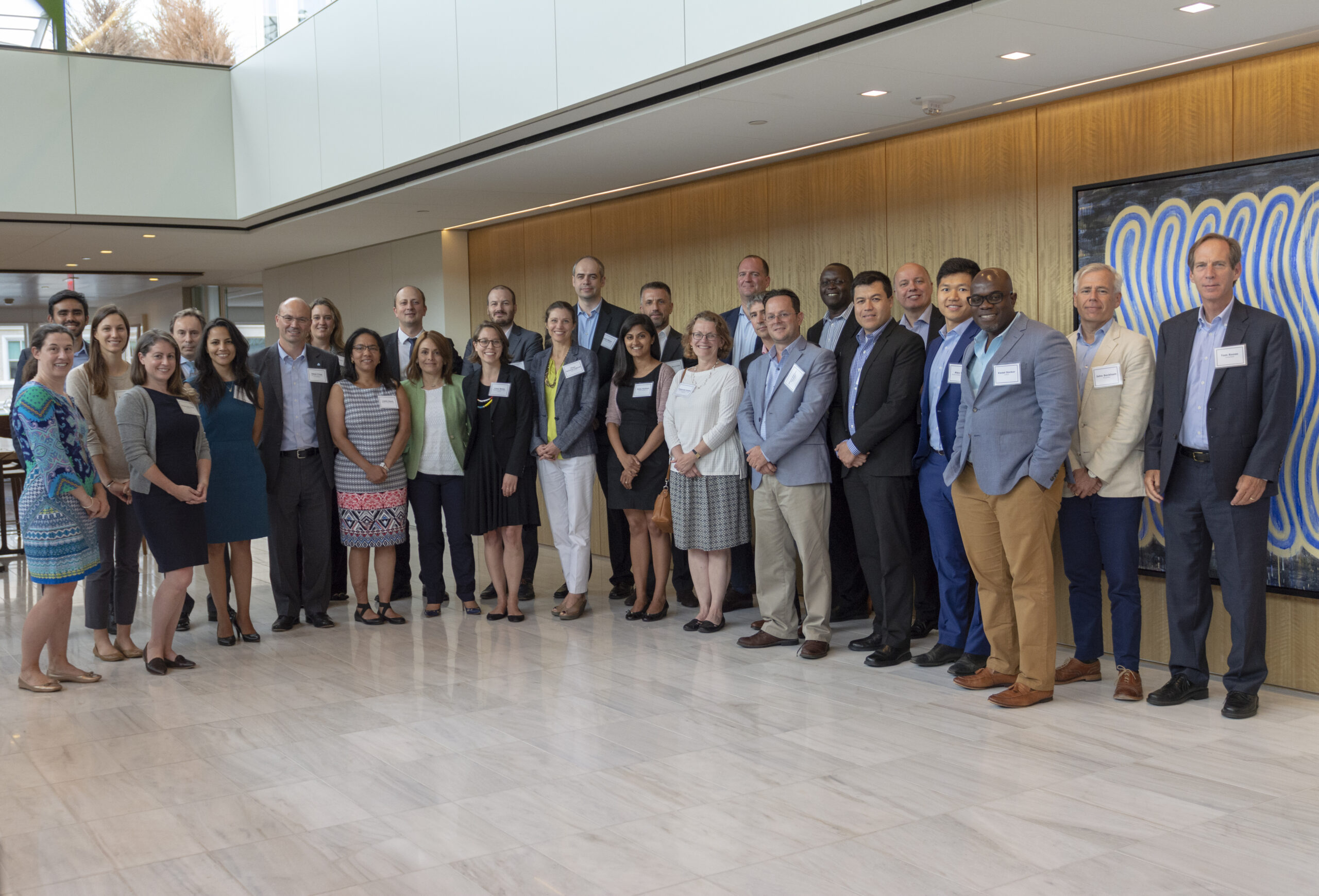
Originally established in 2003 as the Council of Microfinance Equity Fund (CMEF), CFI assumed the role of secretariat for the group in 2008 and subsequently led the rebrand to the Financial Inclusion Equity Council in 2014. The group was comprised of leaders in the emerging market of microfinance equity investing and worked to promote best practices around impact investing. In 2023, CFI transferred the role of secretariat to Cerise+SPTF.
2015
Financial Inclusion Week Begins
With humble origins as a grassroots conference, Financial Inclusion Week (FIW) launched as a means to share knowledge, benchmark progress, build momentum for action, and celebrate the global community focused on advancing financial inclusion. FIW has since become a cornerstone of the inclusive finance sector.
2020
CFI-MIX Market Integration
CFI joined forces with MIX, a global data resource for socially responsible investors and businesses focused on inclusive finance. The integration strengthened our capacity to deliver data-driven insights.
2020
Client Protection Standards Transition
CFI closed the Smart Campaign and transitioned the management and maintenance of the certification standards to long-time partners Cerise+SPTF. The shift was part of CFI’s strategy to focus on research and convening efforts.

2020
Financial Inclusion Week Grows
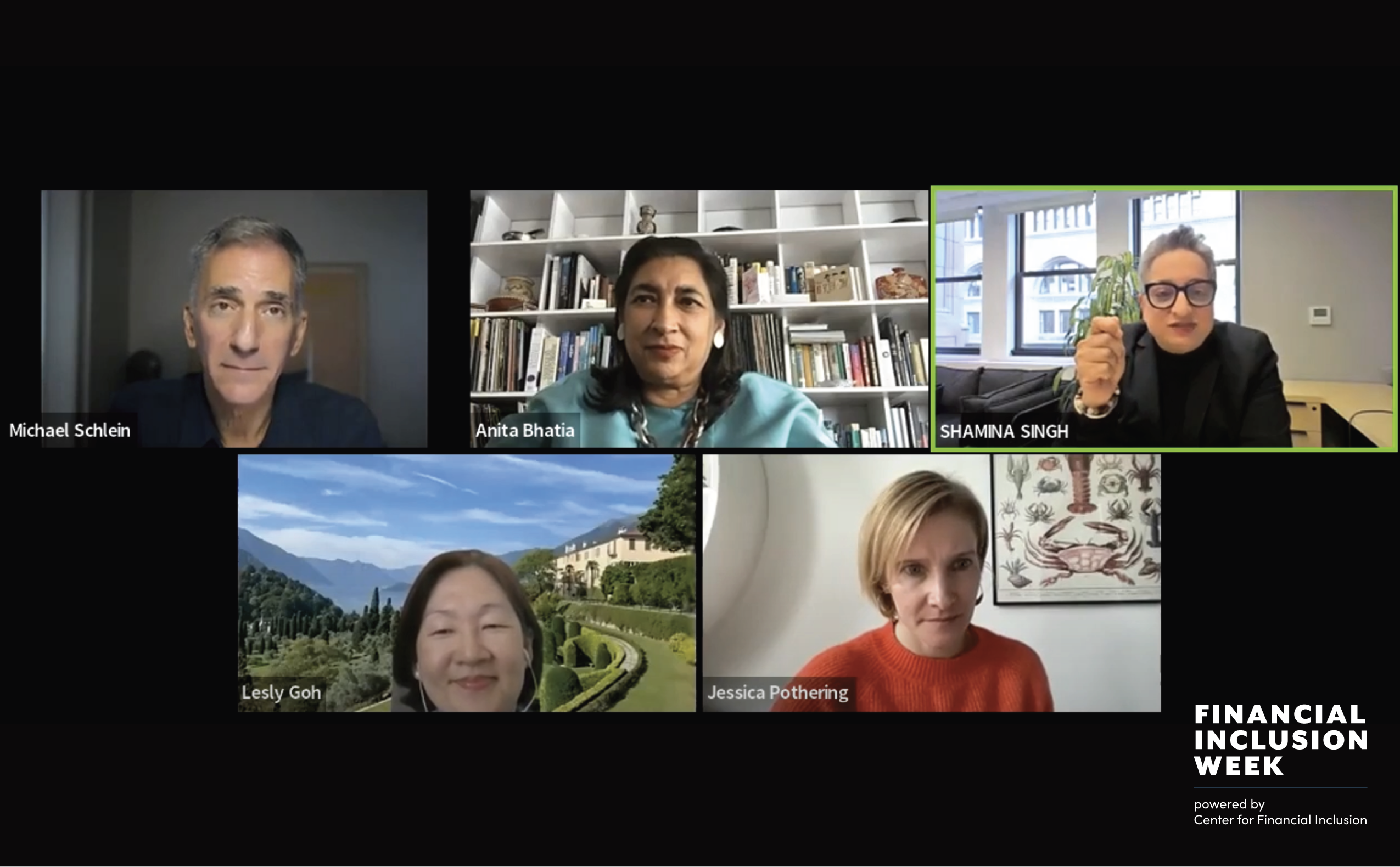
CFI launched the first call for submissions for organizations to participate in Financial Inclusion Week and hosted all virtual sessions on a centralized platform. This move to a single platform brought thousands of participants together to share insights and learn from one another, and formalized FIW as a flagship annual event.
2022
Became Convenor of the Responsible Finance Forum
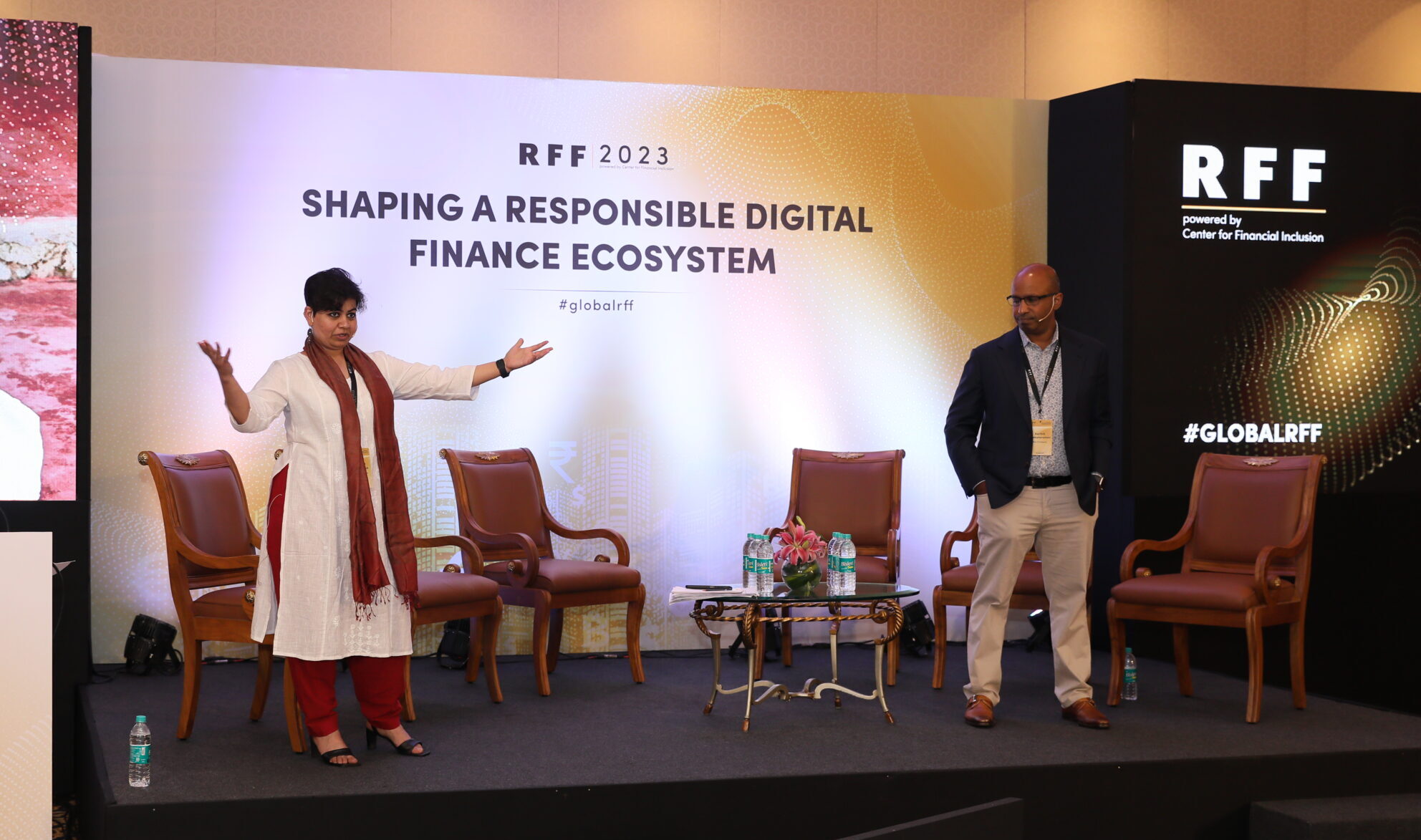
CFI assumed the role of the convenor for the Responsible Finance Forum (RFF). RFF was created in 2009 to foster dialogue and action among the private sector, governments, practitioners, policymakers, academics, and consumer organizations. IFC ran the platform from 2015 to 2022.
Today
CFI focuses on conducting research and convening the sector.
CFI is working on the most pressing issues in the inclusive finance space today. We focus on efforts around topics of consumer protection, responsible data practices, climate risks and resilience, and women’s financial inclusion.

Driving evidence-based solutions for inclusive and responsible financial systems.
Through our knowledge products and global events, we work to advance inclusive financial systems for low-income and vulnerable consumers.